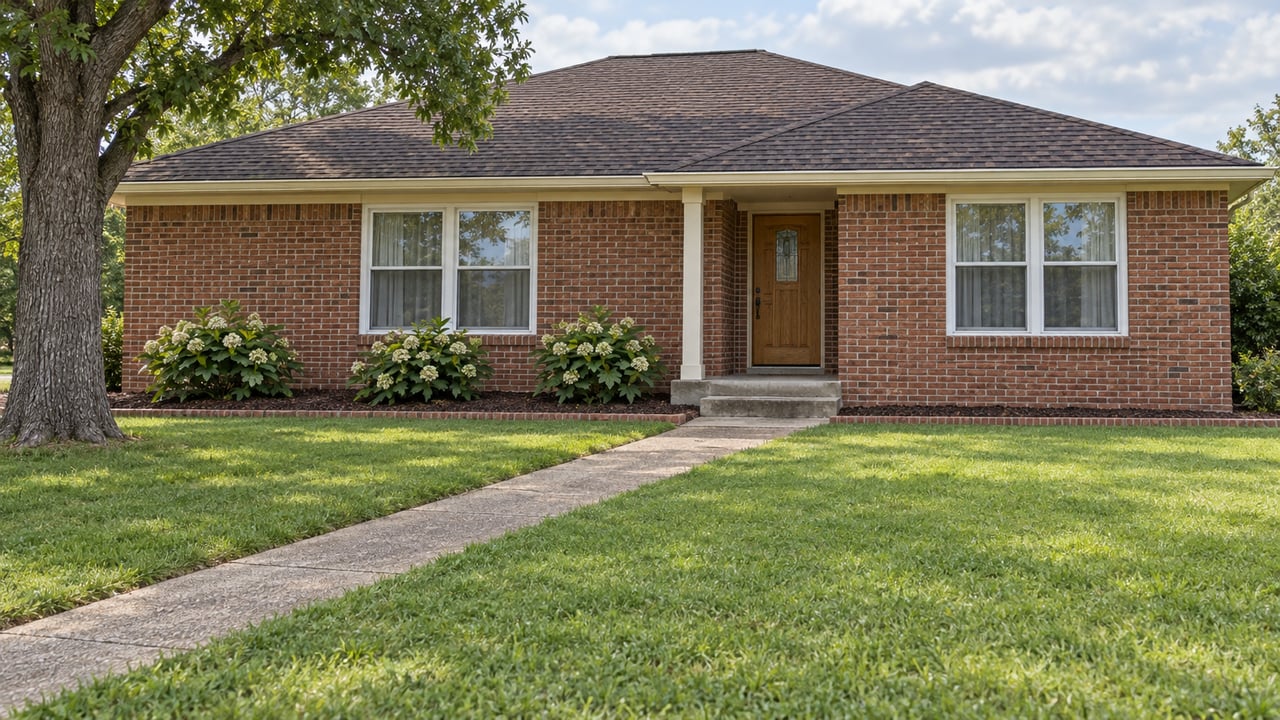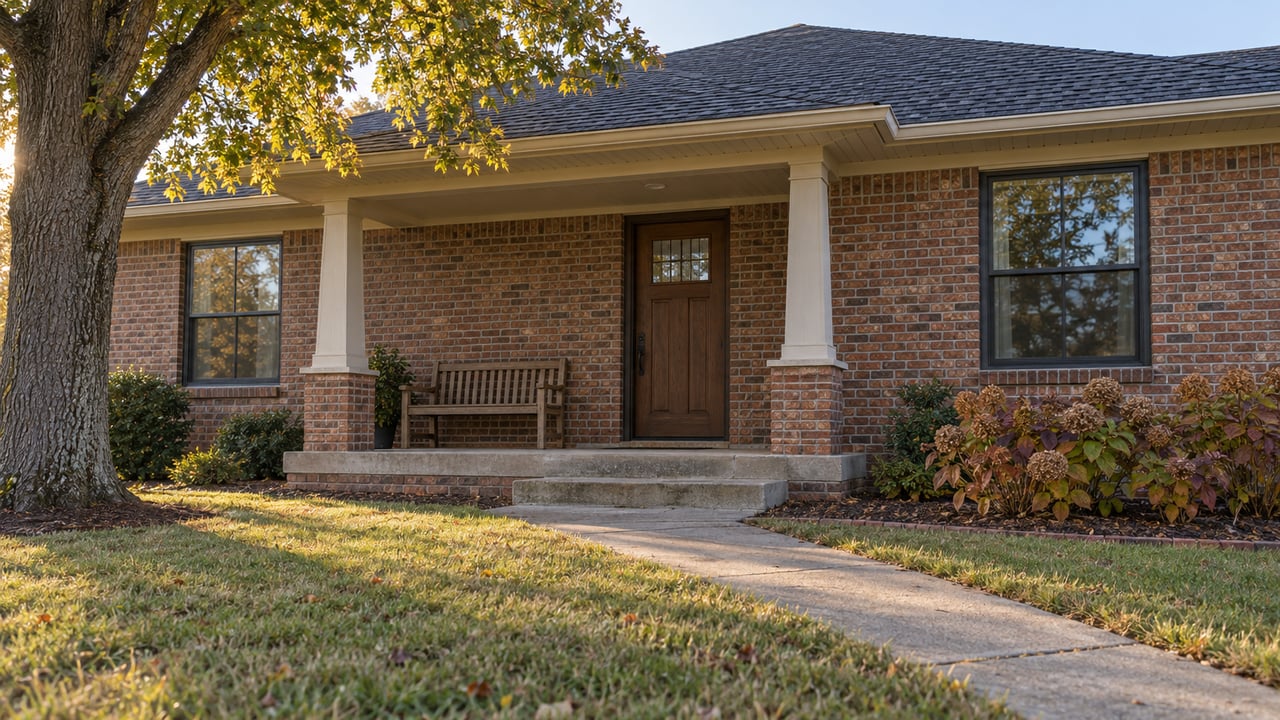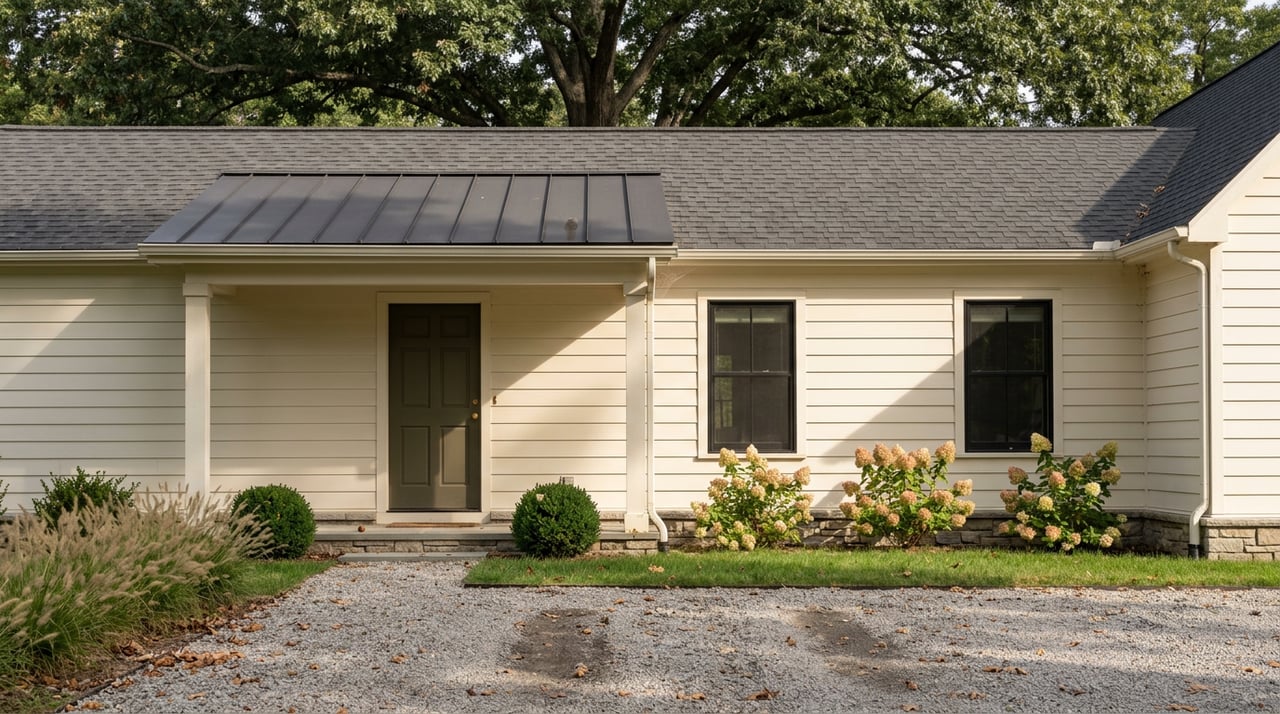
Picture two homes sitting a quarter mile apart, both with a Munford mailing address, both with 38058 ZIP codes, both listed the same week. One is on city sewer, city water, and city gas. The other has a septic field in the back yard, a well casing in the side yard, and a propane tank behind the garage. On paper they look like comps. In a transaction they are not.
That gap is the thesis of this post. In Munford, the mailing address is not the utility map, and the difference between "inside city limits" and "Munford postal address" quietly decides how you price the home, how you can advertise it, what a buyer's inspector will flag, and whether an FHA or VA appraisal will send the deal sideways. If you are preparing to list, the work starts before the photographer arrives.
The mailing address is not the utility map
The City of Munford runs its own utilities out of Public Works, and each service has a different service footprint. The city provides sewer services inside the city limits, natural gas to the Munford, Atoka, and Brighton communities and some portions of Tipton County, and trash service to customers who live inside the Munford city limits. Water is the outlier. The city provides water service both inside the city limits and to some Munford addresses located outside the city limits.
Read that carefully. Two homes with a Munford address can have three different utility profiles between them, and the sale-relevant one is sewer. A house one lot outside the line is on septic, no matter what the mailbox says. Before you set a price, before you write the listing description, before you tell a buyer the home is "on city services," pick up the phone. You can verify the services provided to your address by calling City Hall at (901) 837-0171.
Three questions to answer before the sign goes up
Sellers who get caught by the address trap almost always skipped one of these three steps. Work through them in order.
- Confirm sewer. Ask City Hall in writing whether the property is on the city sewer main, on a STEP low-pressure system, or on a private septic system. The three behave differently at inspection.
- Pull the septic permit. If the answer is septic, request a copy of the TDEC permit for the property. The permit lists the approved bedroom count and the field-line design, and it decides how you are allowed to advertise the house.
- Locate the water source. If the address is served by city water, ask for the account status. If it is on a private well, plan on a well flow and potability test during the buyer's inspection window, because most Tipton County lenders will expect one.
Only after those three answers land should the pricing conversation start. A three-bedroom brick ranch on city sewer and a three-bedroom brick ranch on a two-bedroom septic permit are not the same listing.
The bedroom count on your listing is a legal statement
This is where sellers get themselves in trouble without realizing it. In Tennessee, the septic permit sets a ceiling on how the house can be marketed. It is illegal to advertise a home for more bedrooms than it is septic approved for. If you see an advertisement for a five-bedroom home, there should be a septic permit on file with the state proving the home is a five-bedroom approved system. If that home is approved for two or three bedrooms, it cannot be advertised as a five-bedroom home, or the person advertising is liable for misrepresentation.
The reason is straightforward. Tennessee septic systems are sized by number of bedrooms, not bathrooms, because the tank holds solid waste and liquids drain out to field lines, and the number of field lines determines how many bedrooms the system can handle. One field line per bedroom is typical, though soil conditions sometimes require more.
A finished bonus room with a closet is not a bedroom if the septic permit says three. Advertising it as one is not a marketing decision, it is a misrepresentation.
Pulling the permit is not complicated. The state maintains a septic permit search at tdec.tn.gov/filenetsearch, and when you retrieve the file you want both the approval for construction and the certificate of completion. Older homes sometimes never received permits at all, and that gap becomes the new owner's problem if the system fails after closing, because septic repairs can run into the thousands. If the permit does not exist, price and disclose accordingly. Don't paper over it.
What a STEP tank changes about your walkthrough
Some Munford-area homes served by the city are on a hybrid system called STEP, for Septic Tank Effluent Pumping. The tank sits on the property, effluent gets pumped into a low-pressure city main, and an alarm panel lives on the exterior of the house. A buyer's inspector will find it. You want to find it first.
The city's own utility guidance is direct about what the alarm means and does not mean. The alarm box lives on the exterior of the home, the red button silences it, and the red light stays on as long as the alarm condition exists. Sellers are told to call (901) 837-0171 to report a STEP alarm regardless of day or time, unless it went off during a power outage. After power returns from an outage, the STEP alarm may sound and only needs to be silenced. There is no need to call the city unless the tank is overflowing or the alarm light stays on for more than six hours.
Two practical implications for a listing. First, if that red light is lit during a showing, you have a problem you can fix in one phone call, not a problem you should hide. Second, document the alarm history and service visits before the buyer's inspector shows up. It is the single fastest way to keep a STEP system from becoming a renegotiation point.
When public sewer is at the street and the house is on septic
This one catches sellers on the fringes of the Munford service area, where a main has been extended down the road but the house was never tied in.
The general rule is that a home does not automatically have to connect just because the pipe is out front, but the moment financing enters the picture the calculus changes. On conventional financing you often have room to negotiate. On government-backed loans you usually do not. If a buyer is using an FHA or VA mortgage and there is sewer available at the street, the seller or buyer, depending on negotiations, will be required to connect, which can add several thousand dollars to the purchase price along with the time to complete the work.
If your Munford property sits in this in-between zone, price the listing with the connection cost visible in your head. A buyer who walks in with a VA loan will not absorb it silently, and the discovery usually happens mid-transaction rather than upfront. Better to get an estimate from the city and a plumber before you set list price than to burn a week of the option period untangling it.
Statewide, there is no automatic backstop that catches these issues at closing. Tennessee does not have a statewide mandatory point-of-sale septic inspection requirement, though many counties recommend or require inspections at property transfer, FHA and VA loans typically require septic inspections, and home inspectors increasingly include septic evaluation. The absence of a state mandate is not the same as the absence of scrutiny. In practice, the buyer's lender and the buyer's inspector do the enforcing.
A quick reference for what the city actually provides
Use this as a starting point for the "what services does this address have" conversation with City Hall. It is not a substitute for calling.
| Utility | Service footprint |
|---|---|
| Sewer | Inside the Munford city limits only |
| Natural gas | Munford, Atoka, and Brighton communities plus some portions of Tipton County |
| Water | Inside city limits, plus some Munford addresses located outside city limits |
| Trash pickup | Inside the Munford city limits only |
The footprint reference comes directly from the city's Public Works and Utilities pages. When in doubt, the number to call is (901) 837-0171.
Frequently asked questions
Do I have to disclose that the home is on septic? Yes. Tennessee sellers complete a residential property disclosure, and the sewage disposal section asks specifically. Answer accurately, attach the permit if you have it, and note whether the system has been pumped recently.
Can I list the house with a bedroom count that includes a converted bonus room? Only if the septic permit supports that bedroom count, or if the house is on city sewer. On septic, the permit is the ceiling.
What if the house was built before permits were kept? Order a septic inspection early, disclose the age and condition, and expect a buyer's inspector to look closely. A missing permit is not a deal-killer, but pretending it does not matter is.
Is a well test required for a Munford-area sale? Not by the state, but most lenders will require flow and potability results when the home is on a private well, and FHA and VA appraisers generally do. Assume it is required and get ahead of it.
Whom do I call to confirm what my specific address has? Munford City Hall at (901) 837-0171. Ask for utility service verification by address and get the answer in writing if you can.
Selling a Munford home well is a research job before it is a marketing job. The photographs and the open house matter, but the permit file, the utility service verification, and the honest disclosure of what the mailbox is not telling the buyer matter more. If you are thinking about listing this year and want a second set of eyes on the paperwork before the sign goes in the yard, Adam Dawson and the team at Dawson Realty Group would be glad to walk the property with you. Contact us when you are ready.