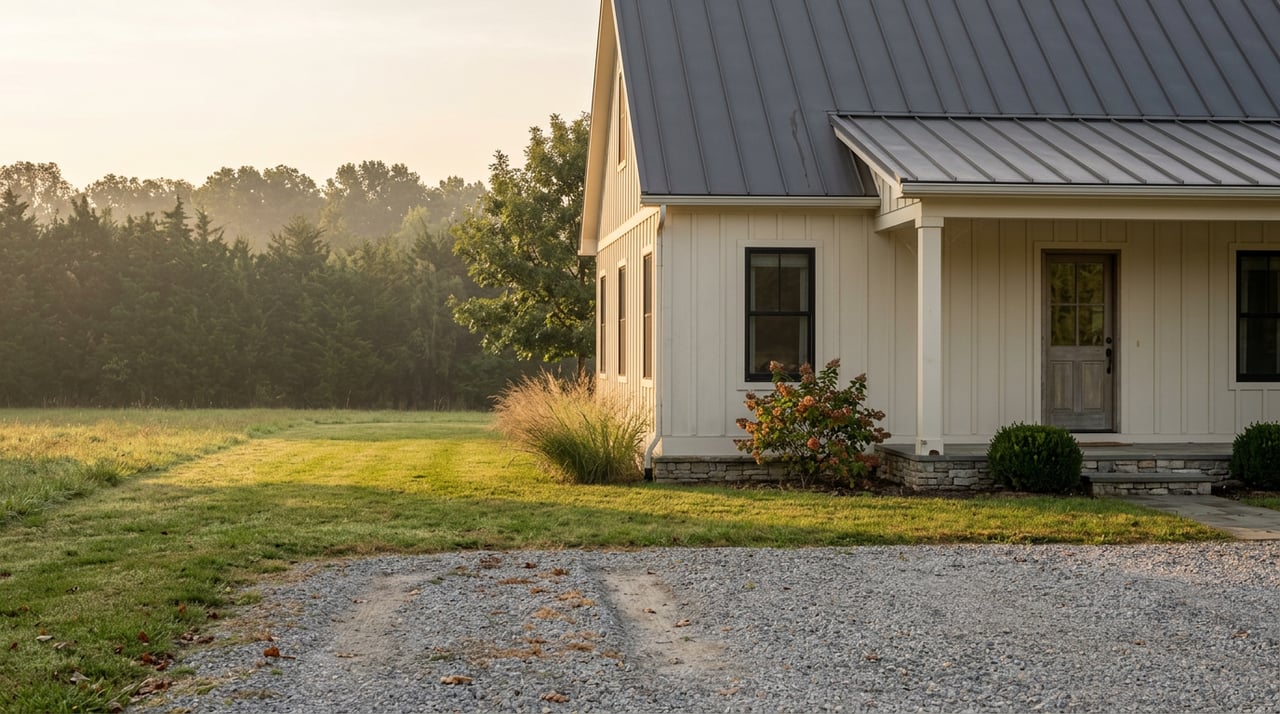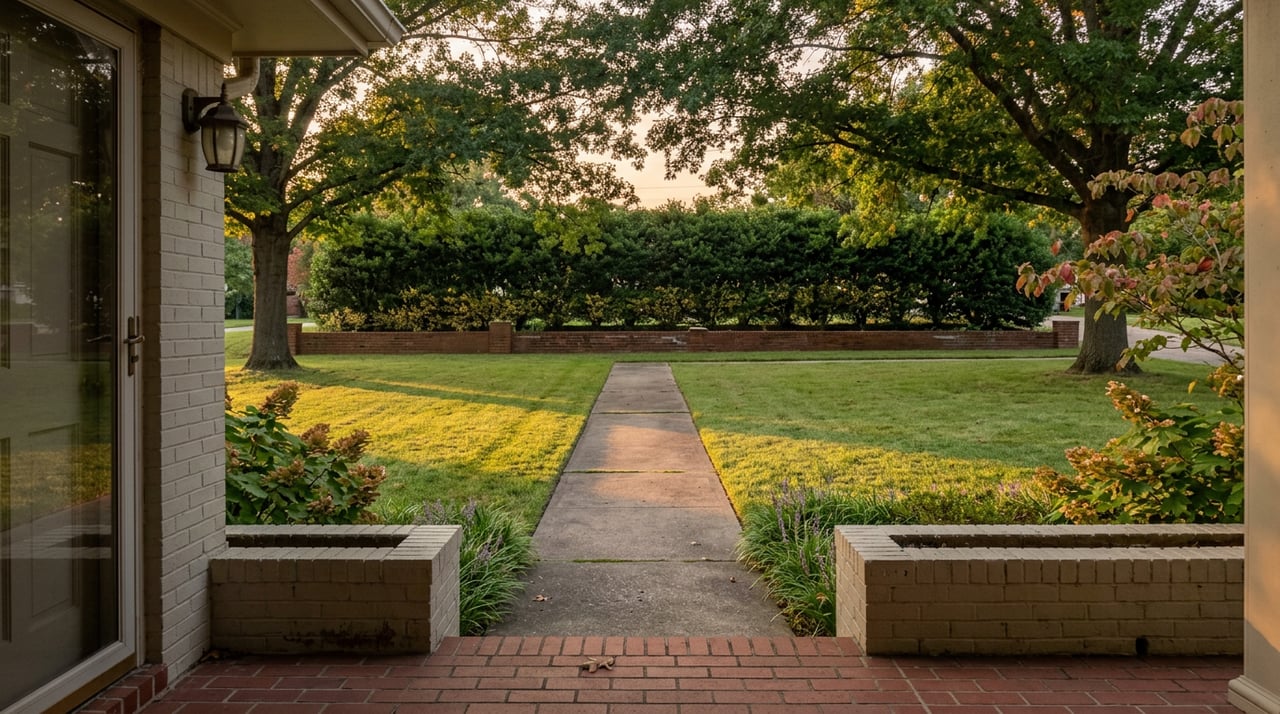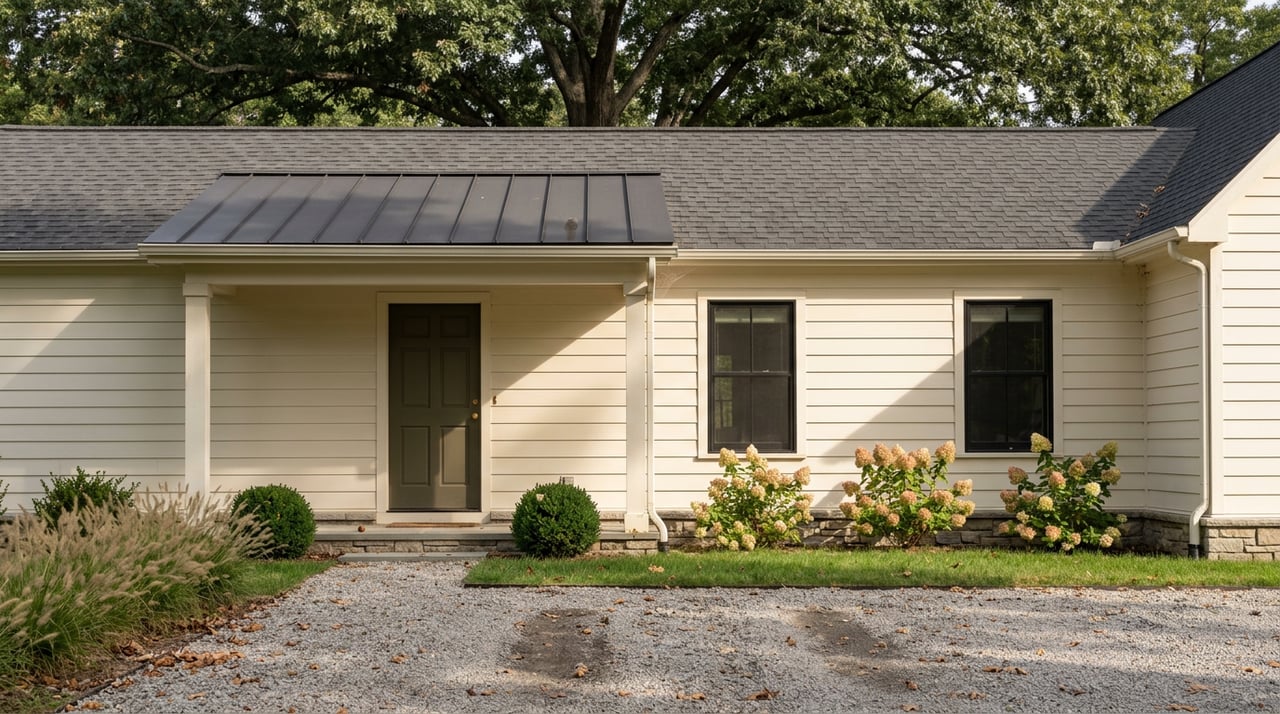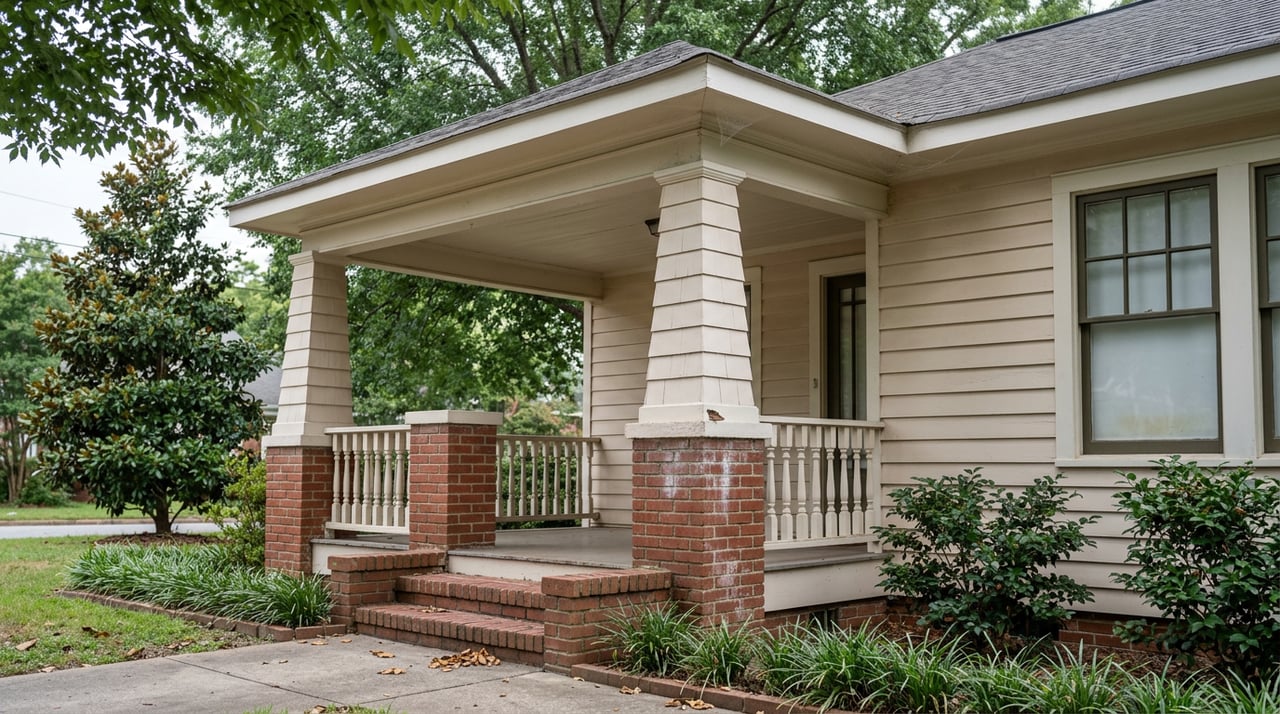
A buyer walks the block near Covington Square, falls for a Craftsman bungalow with a sagging porch rail and original heart pine floors, and does what buyers do. They picture the fix. New rail, fresh paint, maybe new windows before the first cold snap. In their head, that work starts the week after closing.
It doesn't work that way inside Covington's historic district, and the reason has nothing to do with money or a contractor's schedule. It has to do with a calendar the buyer never sees on a listing sheet. The city's Historic Zoning Commission meets exactly once a month, and if the paperwork isn't in seven days ahead of that meeting, the project waits for the next one.
The Calendar Nobody Puts in the Listing
According to the City of Covington's own historic district page, a Certificate of Appropriateness "must be completed for all work being done in the Historic Zoning Area," and applications have to be turned in seven days before the meeting date. The Historic Zoning Commission meets the first Tuesday of every month at 5:30 p.m. in the Second Floor Board Room of Covington City Hall.
Read that again slowly. This isn't a fee schedule or an inspection checklist. It's a single monthly appointment that every renovation inside the district has to catch. Miss the seven-day window by even a day and the wait isn't a week. It's whatever is left until the next first Tuesday.
For most buyers this never comes up, because most buyers aren't shopping inside a designated historic zoning area. For buyers drawn to the character around the Square, it's the single biggest scheduling risk in the whole purchase, and it rarely gets mentioned before closing.
What Actually Counts as Work
The city's language doesn't carve out exceptions for small projects. It says all work in the zone needs a Certificate of Appropriateness, which means the safest assumption for a buyer is that anything visible from the street, and plenty that isn't, deserves a call to the city before a contractor's truck shows up. That includes:
- Replacing or rebuilding a porch, rail, or column
- Swapping windows or doors
- Re-siding, repainting brick, or changing exterior materials
- Fences, walls, or major landscape changes
- Additions or any change to the roofline
The point isn't to memorize a list. It's to build the habit of asking the city's Code Compliance office before assuming a project is small enough to skip the process. Guessing wrong costs a month, not a phone call.
Why the Stakes Just Went Up in 2026
Covington earned formal Tennessee Main Street Community designation in 2024 after completing the state's Tennessee Downtowns program, which included a downtown branding project and a new wayfinding signage system. Tennessee Main Street Program Director Kim Parks put it plainly at the time:
"TNECD is excited to welcome Covington to the Main Street America network."
That designation matters more this year than it did two years ago. Main Street Covington CEDC's own site now announces it has earned 2026 National Accreditation from Main Street America, a status built specifically on the strength of downtown revitalization and historic building preservation. National accreditation doesn't happen by lowering the bar on what gets preserved. It happens by holding the line on it, which means the commission reviewing porch rails and window swaps in 2026 has more institutional reason to be exacting, not less.
For a buyer thinking about a fixer-upper near the Square, that context changes the calculation. The charm that made the house worth buying is the same charm the city just got nationally recognized for protecting.
The Houses This Actually Touches
This process applies to a specific slice of Covington's housing stock, not the whole town. The homes in question are the Queen Anne, Colonial Revival, and Craftsman bungalow properties clustered within walking distance of the historic square, the kind of house that shows up in listings with language like "just steps away from the Covington Square" or "in the heart of Covington's Historic District." Move a few miles out to newer subdivisions and the zoning calendar simply doesn't apply. Same city, same school district in many cases, completely different renovation clock.
That's the part worth sitting with before making an offer. Two houses can look similar on paper, similar price, similar bedroom count, similar drive time to Memphis, and only one of them comes with a fixed monthly gate standing between the buyer and their first swing of a hammer.
Do the Math Before You Close
The first Tuesday rule is easy to state and easy to underestimate, so here's what it actually looks like on the 2026 calendar, counting back seven days from each meeting date to find the real submission deadline.
| Submit by... | Goes before the commission on... |
|---|---|
| August 25, 2026 | September 1, 2026 |
| September 29, 2026 | October 6, 2026 |
| October 27, 2026 | November 3, 2026 |
| November 24, 2026 | December 1, 2026 |
Close on a house in late August and want to start renovation work right away? The paperwork has to be in by August 25 to make the September 1 meeting. Miss it, and the next shot is October 6, more than five weeks later. Miss that one too and it's November 3. A single missed deadline can turn a two-week planning delay into a two-month one, and none of that time shows up in a renovation estimate or a lender's timeline.
What This Means If You're Under Contract Right Now
If a closing is already scheduled inside the historic district, the smart move is checking that date against the meeting calendar before the closing table, not after. Loop the contractor in early enough that they can help prepare the application rather than waiting to be hired once the deed is recorded. Submitting a week ahead of a deadline instead of the day before is the difference between catching this month's meeting and losing a full renovation cycle to next month's.
None of this makes historic district ownership a bad idea. It makes it a different kind of ownership, one where the clock on your project belongs partly to the city's calendar and partly to you.
FAQ
Does the Certificate of Appropriateness apply to something as small as repainting or a roof repair? The city's guidance doesn't distinguish small projects from large ones. It states a Certificate of Appropriateness must be completed for all work in the Historic Zoning Area, so the safer approach is confirming scope with the city's Code Compliance office before scheduling any work, even something that feels minor.
Does the first Tuesday schedule ever change? Based on the city's own posted schedule, the Historic Zoning Commission meets the first Tuesday of every month at 5:30 p.m., which means the underlying math stays the same year over year. Only the specific calendar dates shift.
What if I've already started work and didn't know I needed approval? Contact the city's Code Compliance office directly before doing anything further. Requirements and next steps are best confirmed with the city rather than assumed.
If you're weighing a historic home near the Square against something newer a few miles out, that's exactly the kind of decision worth talking through before you write an offer. Adam Dawson and the team at Dawson Realty Group work inside Covington's historic district regularly and can walk you through what a specific property's renovation timeline is likely to look like before you're under contract. Contact us.